
This article is part of No-Nonsense Advice from Leaders Around the World - a special series featuring written interviews with education leaders, capturing honest reflections and practical insights from diverse global perspectives.
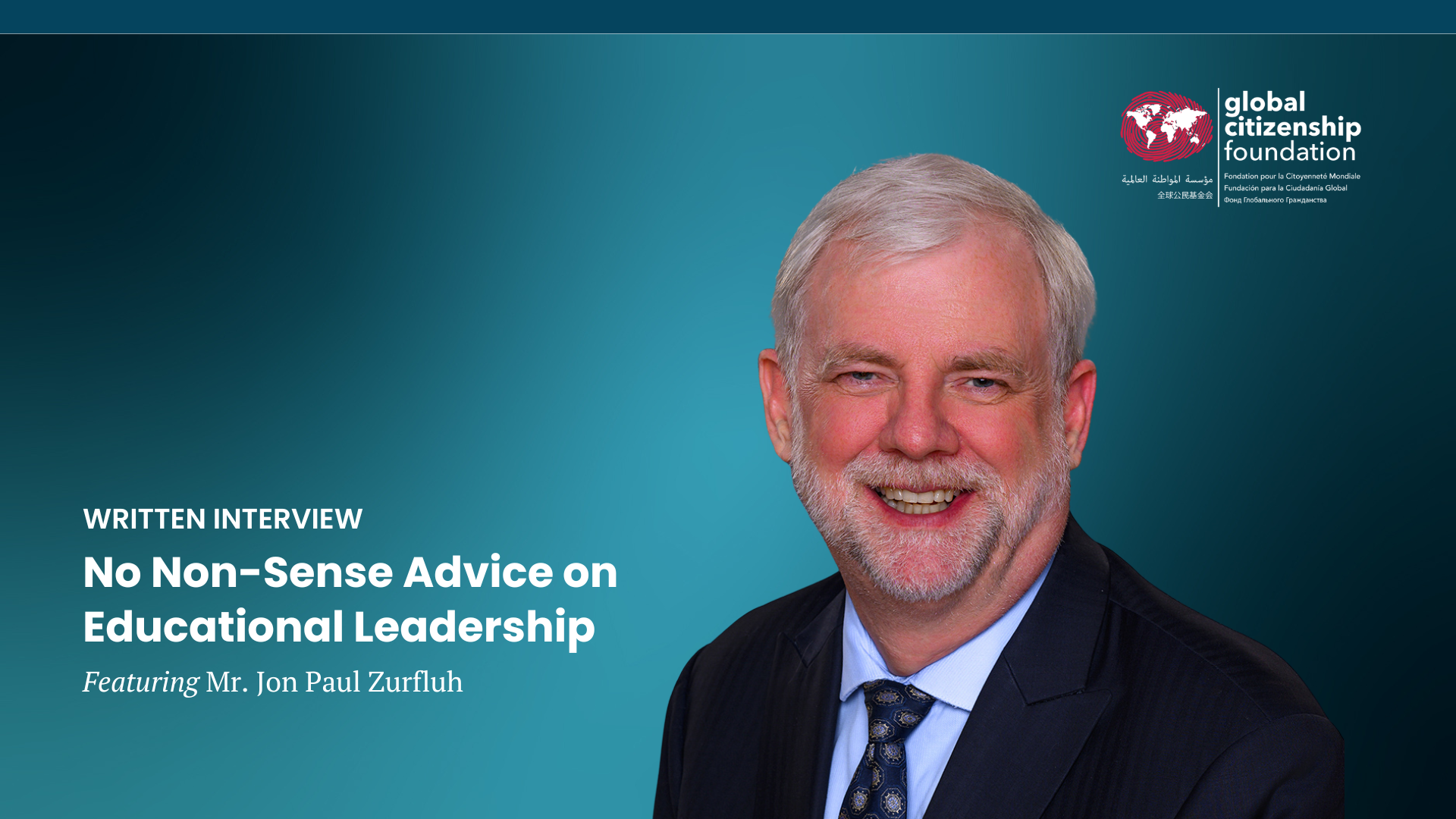
In this interview, we feature insights from Mr. Jon Paul Zurfluh, an experienced international school leader with nearly 40 years in education. A Washington State native, he began as a teacher and principal before moving abroad, where he led schools in China, Russia, and Poland. Read more about Jon here
In your experience, what piece of leadership advice is overrated or ineffective? Why do you believe it does not work?
One overrated piece of leadership advice is the notion that leaders must always “stay above the fray.” While intended to convey composure and impartiality, it can often translate into disengagement or aloofness during moments when presence, empathy, and active involvement are most needed.
In schools, especially, trust is built not by distance, but by being visible, listening actively, and engaging directly with the tensions that matter to students, families, and staff. Leaders who avoid the fray may preserve their image but risk losing the very connections that give their leadership meaning.
As a school leader, what is one thing that keeps you awake at night?
What keeps me awake at night is the responsibility of ensuring every child in the school community feels safe, seen, and supported – especially those on the margins. Whether it's a student navigating identity, a family facing instability, or a teacher worn down by unseen burdens, I worry about the quiet struggles that can be overlooked in the bustle of school life. The greatest challenge – and privilege – of leadership is creating systems and cultures that don't just teach, but truly care.
What was the most impactful book, documentary, or podcast you engaged with in the past year? How did it shape your leadership perspective?
This past year, The Art of Gathering by Priya Parker had a profound impact on my leadership perspective. It reframed how I think about meetings, ceremonies, and even everyday school interactions – not as logistical necessities, but as opportunities to foster meaning, belonging, and purpose.
In international school leadership, where cultures, identities, and expectations intersect daily, Parker's insights reminded me that intentional design of how we come together is just as critical as what we come together for.
Which three tools or software do you use regularly to enhance your leadership effectiveness, and why?
Three tools I rely on regularly are Asana, for organizing projects and aligning teams around shared goals and timelines;
Google Workspace, for its seamless collaboration across documents, agendas, and planning;
WhatsApp, which – while informal – has become invaluable for timely, relationship-centered communication with staff, parents, and board members.
Each tool plays a different role, but together they support a balance of structure, transparency, and responsiveness that's essential in leading complex school communities.
As you reflect on your leadership journey, what is one thing you plan to start, one you intend to stop, and one you will continue doing this year? Please elaborate on your choices.
I plan to start mentoring emerging leaders who are stepping into roles I've once held, sharing lessons earned through both triumphs and trials. I intend to stop carrying the emotional weight of every decision, knowing that it's time for others to shape the future with fresh vision and energy. And I will continue advocating for inclusive, student-centered education wherever I can – because even in retirement, the call to champion young people and those who serve them doesn't fade.
What is one professional or personal experience that every school leader should attempt this year? What makes it so valuable?
Every school leader should spend an unstructured day shadowing a single student, – from arrival to dismissal, – without intervening or managing. It's a humbling and eye-opening experience that reveals how policies, culture, and adult decisions play out in real time.
Walking in a student's shoes reconnects leaders with the lived realities of school life, often in ways that data and meetings cannot. It's a powerful reminder that leadership decisions must always be grounded in the student experience.
What opportunities do you see with artificial intelligence (AI) in education this year? How do you envision AI transforming the future of schooling and education?
AI offers tremendous opportunities this year to personalize learning, streamline administrative tasks, and support educators in meaningful ways. From adaptive learning platforms that respond to individual student needs to tools that reduce teacher workload – like automated feedback, lesson planning aids, and language support – AI can help reclaim time for human connection and creativity.
Looking ahead, I envision AI transforming schooling by shifting the focus from standardized delivery to deeply individualized learning journeys, where technology enhances – not replaces – the vital role of educators in nurturing curiosity, empathy, and critical thinking.
What is the most underappreciated professional development avenue for upskilling or reskilling in the field of education? Why should more leaders consider it?
In 2025, one of the most underappreciated avenues for professional development is cross-sector learning – engaging with leadership training or experiences outside the traditional education sphere, such as in healthcare, design thinking, or crisis management. These fields offer fresh perspectives on systems thinking, innovation, and resilience, which are urgently needed in today's schools.
More educational leaders should consider stepping beyond the echo chamber of education to develop adaptive skills, build broader networks, and spark creative solutions to persistent challenges.
If you were to choose a dish or a drink that symbolizes Global Citizenship Education (GCED), what would it be and why?
I would choose a well-prepared mezze platter to symbolize Global Citizenship Education. Just like GCED, a mezze brings together diverse ingredients, flavors, and traditions from different cultures – each distinct, yet harmoniously shared around a common table.
It invites conversation, curiosity, and connection, reflecting the essence of global citizenship: appreciating difference, engaging with others respectfully, and recognizing that our shared humanity is enriched, not threatened, by diversity.
Which thinker has profoundly influenced your approach to educational leadership? What key insights have you drawn from them?
Bernard Bass and his work on Transformational Leadership have profoundly influenced my approach to educational leadership. His model emphasizes the importance of inspiring a shared vision, fostering trust, and enabling others to grow beyond their own expectations – principles that resonate deeply in school communities.
From Bass, I've learned that the most lasting change doesn't come from authority, but from influence; that leaders must model the values they wish to see; and that elevating others is not only a leadership strategy, but a moral imperative in the world of education.
Please share a quote/message that reflects your philosophy on education and educational leadership
“Education is not preparation for life; education is life itself.” –John Dewey.
This quote encapsulates my belief that schools must be living, breathing communities where students learn not just content, but how to think, feel, collaborate, and act in the world. As educational leaders, our role is to create environments where curiosity is nurtured, diversity is honored, and every learner is enabled to shape a meaningful life because education isn't a stepping stone to the future; it is the foundation of the present.
Recommend an inspiring educational leader committed to education for global citizenship and sustainable development.
If you know an inspiring education leader whose no-nonsense insights should be part of this series, we would love to hear at publications@globalcitizenshipfoundation.org
.png)

 https://ror.org/03n450987